













































Centsible Finance Logo White Text
Financing to make your dreams come true.
Apply Now

Meet our team

With decades of combined experience within asset finance, in both consumer and commercial finance, our team delivers practical solutions with precision. We’re here to make the lending process direct, streamlined, and outcome-focused — from first enquiry to final approval.

Team Member Jim Hogg Profile Picture
Senior Finance Broker

With over 15 years in the industry, Jim is an exceptional broker with a strong commitment to achieving the best outcomes. Highly respected in the industry, he is our senior broker and our broker mentor.

jim@centsiblefinance.com.au+61 425 350 016
Team Member Emily Hogg Picture
Marketing Manager & Finance Consultant

Emily is instrumental in enhancing our digital footprint, refining system processes, and optimizing user engagement. Her diverse background in health and arts informs her work in elevating client interactions, ensuring a seamless experience.

emily@centsiblefinance.com.au+61 458 086 594
Team Member Andy Ta Picture
Senior Finance Broker
Lotus Finance

Bringing over 20 years of broking experience, Andy works as part of the Centsible team through Lotus Finance. His expertise spans a wide range of loan types and structures, with a reputation for efficiency and precision.

andy@ifgroup.net.au+61 426 899 545
Team member Luke Matthews Picture
Finance Broker
IF Group
Managing Director

As the Managing Director of IF Group, Luke brings extensive knowledge in both consumer and commercial lending. With over 20 years in the industry, he specialises in structuring finance for business growth, development, and investment.

luke@ifgroup.net.au+61 400 221 523
Team Member Chris Smith Picture
Finance Broker
If Group
Business Development Manager

Chris is our top liaison for commercial finance, with a focus on strategic partnerships and business relationships. He works closely with businesses to promote and generate long term sustainable growth.

chris@ifgroup.net.au+61 438 876 486
Team Member Hai Doan Picture
Finance Broker
If Group

Hai has over 30 years of experience in asset finance. Initially in a within a dealership, and now bringing his results-driven approach to the Centsible team.

hai@ifgroup.net.au+61 439 687 777
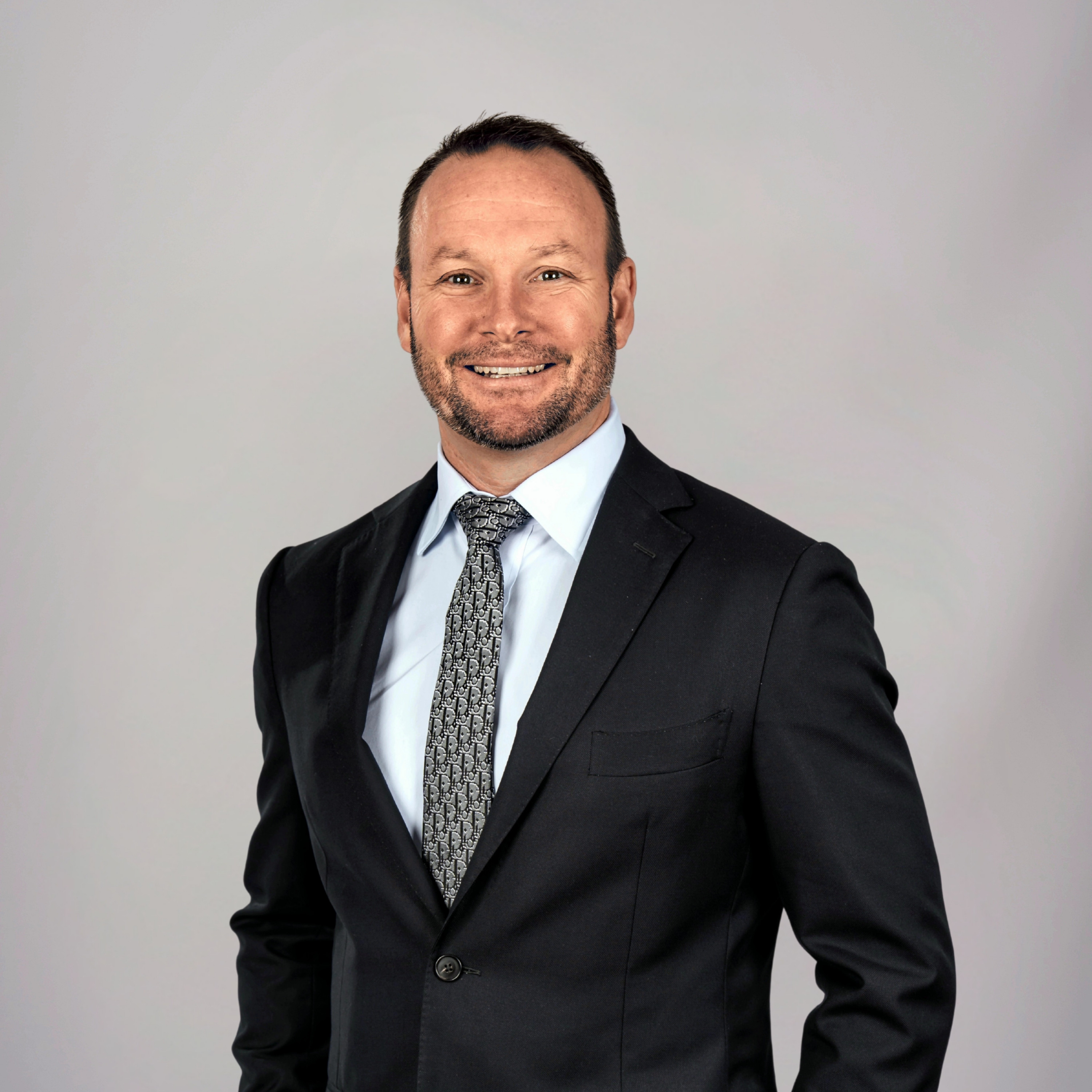
Steve Broker Photo

With over 40 years in Asset Finance. Previously held senior management positions in the Finance industry (AGC) with more than 15 years of experience. Steve's expertise is to achieve the best Finance Solutions for all clientele. Highly respected in the industry and has a high volume of repeat referrals and returning clients.

info@scfsfinance.com.au+61 412 769 267
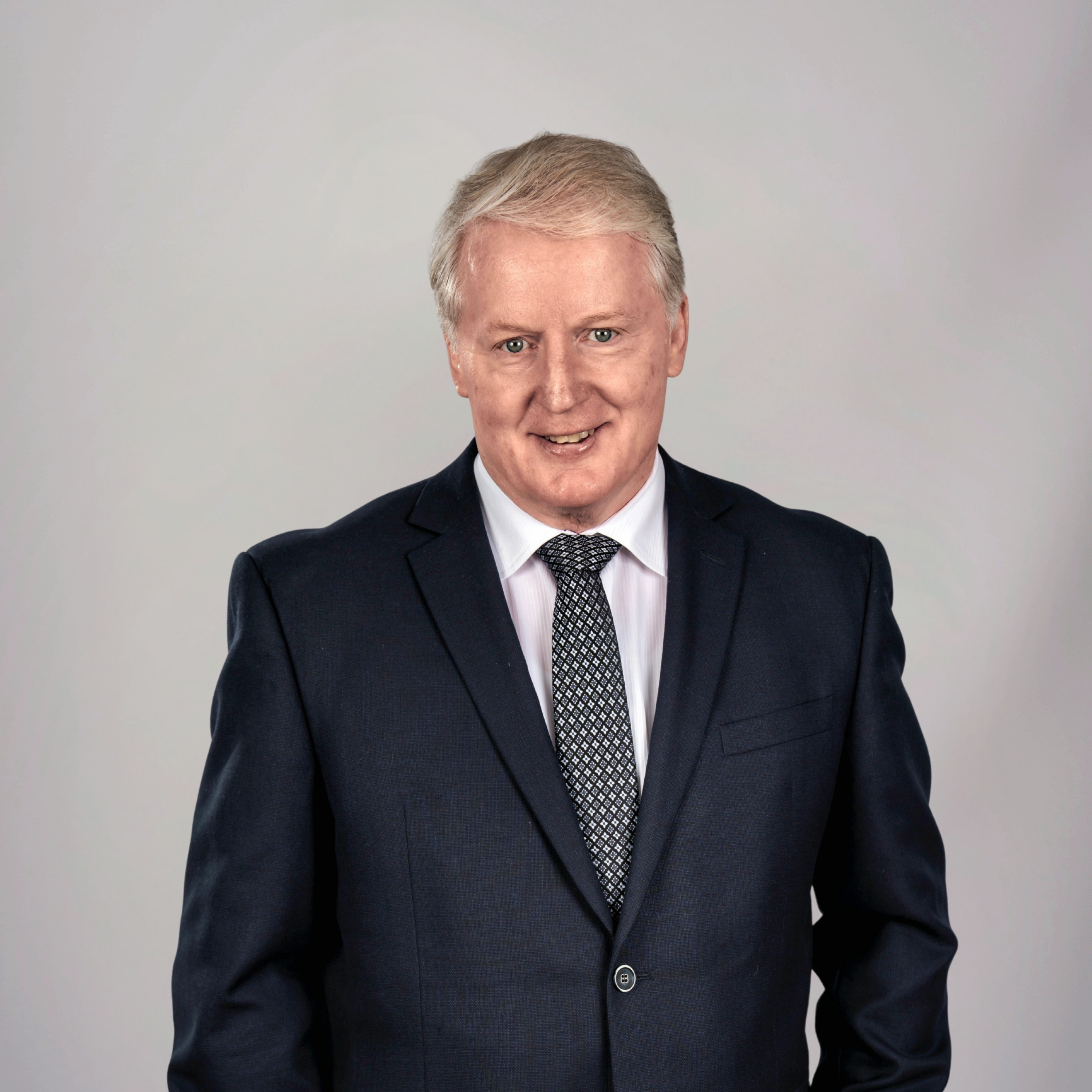
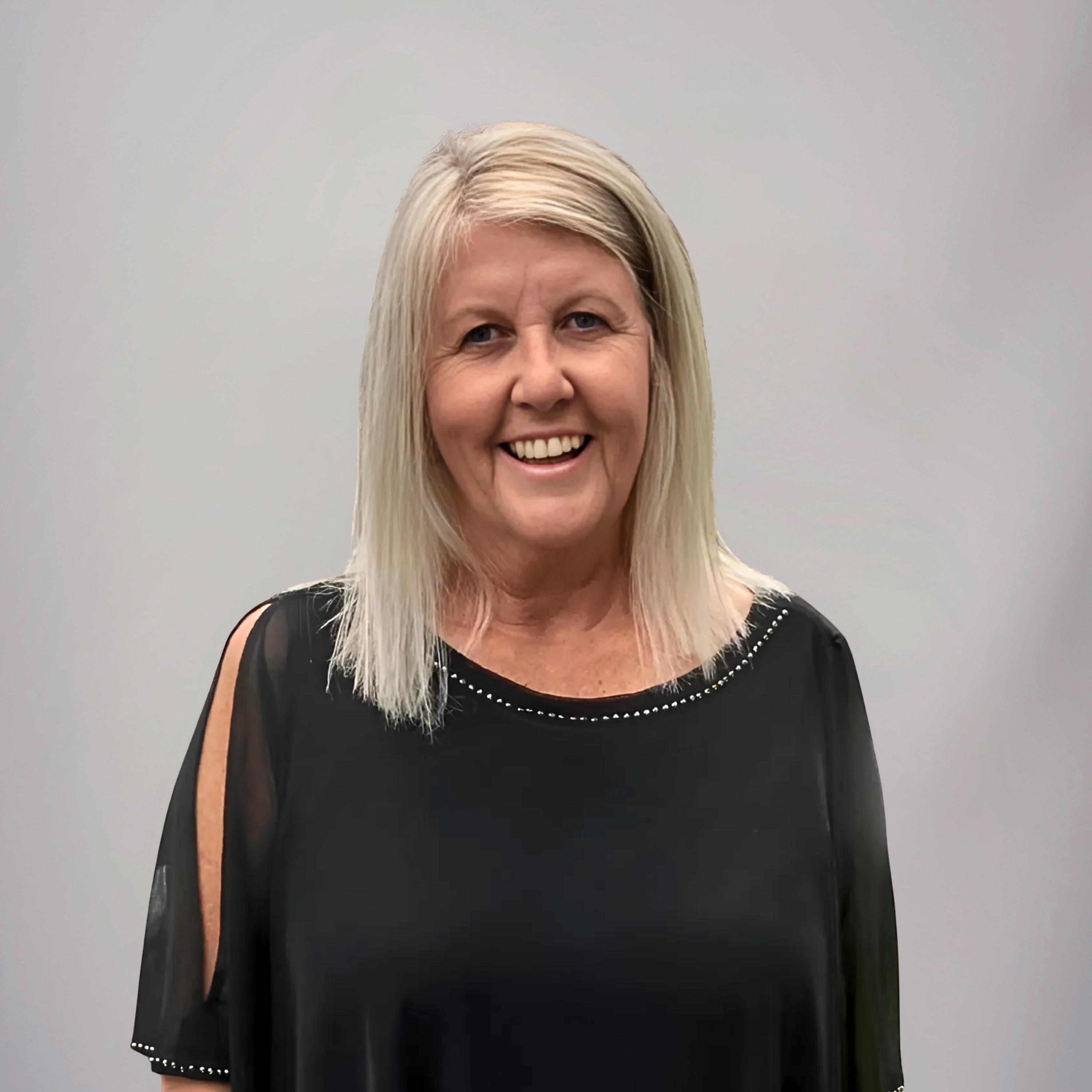
Lyn Broker Photo

With over 35 years within the Broker and Finance & Banking Industry. Over 13 years' experience as a Loan Analyst in banks and credit unions. Lyn is our Credit Analyst and a Director. Her expertise is nurturing clients through the process to make it quick and easy as possible as well as understanding their needs.

info@scfsfinance.com.au+61 02 9629 1892
Icon - Elements Webflow Library - BRIX Templates

Access to OVER 50 lenders

Whether you’re investing in yourself or growing your business, we’ll help you find the perfect loan—no stress, just Centsible options tailored for you.

Alex Bank Lender Logo
Affordable Car Loans Lender Logo
AFS - Lender Logo
AMMF - Lender Logo
Angle Finance Lender Logo
ANZ Lender Logo
MM Autopay Lender Logo
Azora Lender Logo
Be Car Wise Lender Logo
BOQ Finance Lender Logo
Capitol Finance Lender Logo
Alex Bank Lender Logo
Affordable Car Loans Lender Logo
AFS - Lender Logo
AMMF - Lender Logo
Angle Finance Lender Logo
ANZ Lender Logo
MM Autopay Lender Logo
Azora Lender Logo
Be Car Wise Lender Logo
BOQ Finance Lender Logo
Capitol Finance Lender Logo
Car Start Lender Logo
CFI Lender Logo
Dynamoney Lender Logo
Finance one Lender Logo
First Mac Lender Logo
Flexi Commercial Lender Logo
Gamma Duo Lender Logo
Latitude Lender Logo
Liberty Lender Logo
Lumi Lender Logo
Maple Lender Logo
Metro Lender Logo
Car Start Lender Logo
CFI Lender Logo
Dynamoney Lender Logo
Finance one Lender Logo
First Mac Lender Logo
Flexi Commercial Lender Logo
Gamma Duo Lender Logo
Latitude Lender Logo
Liberty Lender Logo
Lumi Lender Logo
Maple Lender Logo
Metro Lender Logo
Money 3 Lender Logo
Money Me Lender Logo
Money Place Lender Logo
Money Tech Lender Logo
Morris Lender Logo
Moula Lender Logo
Multipli Lender Logo
Now Finance Lender Logo
Pepper Money Lender Logo
Prospa Lender Logo
Plenti Lender Logo
RACV Lender Logo
Money 3 Lender Logo
Money Me Lender Logo
Money Place Lender Logo
Money Tech Lender Logo
Morris Lender Logo
Moula Lender Logo
Multipli Lender Logo
Now Finance Lender Logo
Pepper Money Lender Logo
Prospa Lender Logo
Plenti Lender Logo
RACV Lender Logo
Rapid Lender Logo
resi Mac Lender Logo
ScotPac Lender Logo
Selfco Lender Logo
Society One Lender Logo
Shift Lender Logo
True Pillars Lender Logo
The Asset Financier Lender Logo
West Lawn Lender Logo
Westpac Lender Logo
Wiser Lender Logo
Rapid Lender Logo
resi Mac Lender Logo
ScotPac Lender Logo
Selfco Lender Logo
Society One Lender Logo
Shift Lender Logo
True Pillars Lender Logo
The Asset Financier Lender Logo
West Lawn Lender Logo
Westpac Lender Logo
Wiser Lender Logo
Team Image Horizontal
Custom Portrait Team member Group Photo

Application Process:

Not only do we want to help you get approved, but it’s our mission to set you up with the loan that benefits you the most—saving you time, money, and stress.
1
Begin Application
Whether buying a car, growing your business, or consolidating debt, you can apply by completing our forms below or giving us a call, where you can speak to one of our finance experts.
2
Capacity & Credit
We review your income, credit history, and borrowing potential so we can speed things up and customize the process to you and your needs.
3
Market Assessment
We compare rates, terms, and products from 50+ lenders to find and present the best options for you. Ensuring all terms align with your goals and financial capacity.
4
Loan Approval
We guide you through the whole process and help you in making the most sense of everything. Once finalised, approvals can happen in as soon as one business day.

Centsible Buying Service

What is it?

Centsible Buying is a free car buying service that offers exclusive prices and a stress-free experience when buying a new car. We have a professional team take care of the entire process, from researching, sourcing and negotiating.

We have access to hundreds of makes and models as well as top tier financing. Whether you are just looking for one car, or for a whole fleet, our strong buying power ensures you get access to exceptional deals.

All you have to do is sit back and relax.

Why use our buying service?

  • FREE car buying service
  • Our team negotiates for you
  • Full transparency
  • Hassle free - no need to step into a dealership
  • Australia's strongest network of valuers and wholesaler
  • Access to premium aftermarket products

How does it work?

  1. First enquiry with soft touch rate quotes
  2. We connect you with our car sourcing team
  3. Our car sourcing team will stay in touch with you until you find your perfect match
  4. Finalising your finance application and terms
  5. Final docs get signed, followed by vehicle delivery or pick up

Start your search today

Your submission has been received!
We will be in touch with you shortly
Oops! Something went wrong while submitting the form.
Jim Car sales phone
Cars parked buying service phone
Andy buying service phone slider image
Buying Service slider image phone 4x4
Emily Buying Service image phone
Car buying car by beach phone
Hai and Andy Buying service slider image phone
Buying service slider image mazda phone
Luke, Jim, Emily
Car buying handing keys slider image phone
Luke image car buying service slider phone
Car image buying service phone
Chris buying service image phone
Car headlight image buying service phone
Car low angle image Phone buying service slider
Jim Car buying service slider image laptop
Cars parked image slider image laptop
headlight image slider for laptop
Andy car buying service slider image laptop
4x4 car buying service image slider laptop
Emily car buying service image laptop
Car dealer image car buying service image for laptop
Emily, Jim, Luke car buying slider image laptop
Hai and Andy slider image car buying service laptop
Mazda car buying service image laptop
Keys handed car buying service laptop
Luke car dealer image buying service slider for laptop
Car by beach image for car buying service slider laptop
Chris car buying service slider image laptop
Low angle car image for car buying service image slider laptop

Consumer vs Commercial

Whether you're financing for yourself or your business, understanding the difference between commercial and consumer loans can help you choose the right path forward.

What are consumer and commercial loans?
about-two-arrow

The term Consumer refers to a person purchasing something for their personal needs, while the term Commercial often refers to a business looking to purchase something for the benefit and use within that business.

Who are Consumer Loans for?
about-two-arrow

Consumer loans are for individuals, couples or family interested in buying a car, debt consolidation, or any other big purchases including medical expenses but don’t have the full amount to pay upfront; anything solely for personal use.

Who are Commercial Loans For?
about-two-arrow

Commercial loans are for any business, including sole traders, seeking finance to assist in expanding their business, purchasing or hiring vehicles, increasing cash flow management or any other business related purchase.

Are the Processes the Same?
about-two-arrow

The most important thing to lenders is seeing evidence that an applicant can afford a loan, and seeing that the applicant has good reason to pay off the loan they apply for.

You can read more about loan specifics in the information below.

Read about Different Loan Types here:

Blue navigation arrow icon
Personal 1 image
Personal image
Personal image 3
Personal image 4
Personal image 5
Personal image 6
Personal image 7
Personal image 8
Personal image 9
Personal image 10
Personal image 11
Personal image 12
Personal image 13
Personal image 14
Personal image 15
Personal image 16
Personal image 17
Personal image 18

Consumer Personal Finance

What is  Personal Loan?

Personal loans are typically unsecured loans, meaning they aren’t tied to a specific asset. Unlike auto loans, which are directly linked to a vehicle, personal loans deposit funds straight into your nominated bank account—giving you full control over how the money is used.

What purpose can a personal loan be used for?

Personal loans are flexible and can be used for various purposes, including vehicle purchases, home renovations, debt consolidation, travel, or in cases of emergency. Additionally, personal loans provide the flexibility to combine multiple financial needs, such as purchasing a vehicle while consolidating debt, all under one streamlined loan.

Why get a personal loan over an auto loan if purchasing a vehicle?

A personal loan may be more beneficial for a vehicle purchase if it the vehicle does not meet typical lending criteria requirements for an auto loan, such as an older model or a leisure vehicle like a caravan or motorcycle. Personal loans also allow for shorter loan terms, meaning you could pay it off faster and save on interest, often without early termination fees.

What does secured and unsecured mean?

A secured personal loan requires an asset, such as a vehicle or home equity, as collateral, which generally results in lower interest rates and higher borrowing limits. If repayments are not made, the lender has the right to repossess the asset.
An unsecured personal loan, however, does not require collateral and instead relies on your credit score and income to determine eligibility. While unsecured loans offer more flexibility, they typically come with higher interest rates due to the increased risk to lenders.

What determines the interest rates?

Personal loan interest rates vary based on factors such as credit history, loan type, and the lender’s policies. Since unsecured personal loans are considered higher risk, they generally come with higher interest rates than auto loans. Different lenders assess risk differently, meaning that interest rates, borrowing limits, and loan terms can vary significantly. Because personal loans are often used for non-essential expenses, lenders consider them a higher-risk loan category, which may impact interest rates and approval criteria.

Summary:

Ultimately, the type of loan, your eligibility, and the terms will depend on your financial goals and what you’re looking to finance. Interest rates vary based on lender criteria, your credit history, and overall financial situation.

Read more Collapse
Consumer Auto Image 1
Consumer Auto Image 2
Consumer Auto Image 3
Consumer Auto Image 4
Consumer Auto Image  5
Consumer Auto Image 6
Consumer Auto Image 7
Consumer Auto Image 8
Consumer Auto Image 9
Consumer Auto Image 10
Consumer Auto Image 11
Consumer Auto Image 12
Consumer Auto Image 13
Consumer Auto Image 14
Consumer Auto Image 15
Consumer Auto Image 16
Consumer Auto Image 17
Consumer Auto Image 18

Consumer Auto Finance

What is an auto loan?

An auto loan is a type of secured loan specifically designed for purchasing a vehicle. Unlike a personal loan, which deposits funds directly into your account, an auto loan is typically paid directly to the dealership or seller, with the vehicle serving as collateral for the loan.

Does the type of vehicle matter?

Yes, lenders have specific criteria for the types of vehicles they finance. Most auto loans cover new and used cars, utes, and vans, but some older models, high-kilometre vehicles, or specialty cars may not qualify. Additionally, lenders may exclude vehicles primarily used for leisure or business purposes, such as motorhomes, caravans, motorcycles, or heavy machinery. If a vehicle doesn’t meet lending criteria, a personal loan may be a more suitable alternative.

Are dealership and private sales both eligible?

Yes, auto loans can be used for both dealership and private sales, but loan conditions may vary depending on the lender. Some lenders may have stricter policies for private sales, requiring additional checks, while dealership purchases typically involve a more straightforward approval process.

Why get an auto loan if I can get a personal loan?

Auto loans typically offer lower interest rates than personal loans because they are secured against the vehicle. Unlike personal loans, where funds go directly to you, auto loans are paid straight to the dealership or private seller, ensuring the loan is used only for the vehicle. This structured process reduces misuse and can make financing approval easier for eligible borrowers.

What determines the interest rates?

Auto loan interest rates depend on factors like your credit score, income, loan amount, and the lender’s criteria. Since auto loans are secured, they generally have lower rates than personal loans. Other factors, such as your employment and housing status, credit history length, vehicle condition, and loan term, can also influence the rate.

Summary:

Auto loans are a safe and cost-effective way to finance a vehicle purchase, typically offering lower interest rates than personal loans. Eligibility, loan terms, and interest rates vary based on lender criteria, credit history, and vehicle specifics.
We compare lenders to help you find the best possible loan for your situation.
Read more Collapse
Commercial Auto Image 1
Commercial Auto Image 2
Commercial Auto Image 3
Commercial Auto Image 4
Commercial Auto Image 5
Commercial Auto Image 6
Commercial Auto Image 7
Commercial Auto Image 8
Commercial Auto Image 9
Commercial Auto Image 10
Commercial Auto Image 11
Commercial Auto Image 12
Commercial Auto Image 13
Commercial Auto Image  14
Commercial Auto Image 15
Commercial Auto Image 16
Commercial Auto Image 17

Commercial Auto Finance

What is the difference between a commercial and a consumer auto loan?

Consumer auto loans are for individuals seeking to purchase a vehicle for personal use, whereas commercial auto loans are for businesses, including sole traders, seeking to purchase a vehicle that assists in the business function.

Can a commercial auto loan be used for any vehicle purchase?

Commercial auto loans must be tied to a business purpose. Lenders will assess whether the vehicle as well as the business fits the requirements for the loan type.
Typically, different lenders have different policies and product outlines, meaning that not all lenders provide the same loan services for each application circumstance. For instance, heavier vehicles such as trucks, can be viewed differently among lenders compared to your standard ute, this is why having a trustworthy broker is essential in suiting you to the lender based on your unique circumstance.

Are the interest rates different from consumer auto loans?

Yes, commercial auto loans often have different rates and terms compared to consumer loans. Most businesses will qualify for Low-doc loans, and due to the loans being linked to income producing assets this will often come with more competitive interest rates.

What does "Low-doc" mean?

A low-doc (low documentation) loan is designed for companies, partnerships, trusts and sole traders who won't use financial documents such as payslips, to prove their income. Instead, lenders rely more on the credit file of the individual applying and credibility, with a heavier reliance on length in business with a traceable presence.

Business loans are still based on an individual such as the director of a company, so being a homeowner will still positively influence interest as well as length in business.

Are there different eligibility requirements for commercial auto loans?

Commercial loan applications requirements include ABN, driver's license details and credit file check. If credit history is good, and there is evidence of a clear business purchase, then generally a loan can be highly guaranteed, and there is no proof of income required as low-doc loans rely on trust.
If credit is poorer or proof of business activity is questionable then this may prompt the lender to want to look further into the business profile and require a bit more documentation.

Summary:

Commercial auto loans are structured for business purposes, whether it’s financing a fleet of vehicles or a single vehicle. Low-doc loans make commercial loans more accessible and loan terms vary based on the nature of the purchase, but ultimately, the loan must support the business's ability to generate income.
Read more Collapse
Equipment Finance Image 1
Equipment Finance Image 2
Equipment Finance Image 3
Equipment Finance Image 4
Equipment Finance Image 5
Equipment Finance Image 6
Equipment Finance Image 7
Equipment Finance Image 8
Equipment Finance Image 9
Equipment Finance Image 10
Equipment Finance Image 11
Equipment Finance Image 12
Equipment Finance Image 13
Equipment Finance Image 14
Equipment Finance Image 15
Equipment Finance Image 16
Equipment Finance Image 17
Equipment Finance Image 18

Commercial Equipment Finance

What is an equipment loan?

An equipment loan is a type of commercial financing designed to help businesses purchase essential equipment, machinery, or tools. Rather than paying upfront, businesses can spread the cost over time, keeping cash flow stable while ensuring they have the equipment they need to operate efficiently.

What types of equipment can be financed?

Equipment loans cover a wide range of business assets, including: Construction and earthmoving machinery, medical or dental equipment, office technology (computers, printers, software), manufacturing tools and industrial equipment, farming and agricultural machinery etc.
Available lenders may have different policies, so working with a broker helps match your needs to the right lender.

Is an equipment loan secured or unsecured?

Equipment loans are typically secured against the equipment itself. This means the lender uses the equipment as collateral, allowing businesses to access lower interest rates compared to unsecured financing. However, the type of equipment and use may impact the nature of the loan.

Are there tax benefits for equipment loans?

Yes, equipment financing may come with tax deductions and GST benefits depending on the loan structure. Many businesses can claim depreciation, interest expenses, and GST credits on financed equipment. The specifics depend on your business structure and tax obligations, so consulting an accountant is recommended.

Who is eligible for an equipment loan?

Eligibility depends on the lender but typically requires: An ABN or ACN, a minimum trading period, and a good credit history - which would be classed as low-doc.
The loan and eligibility would then also be impacted based on the type of equipment being financed, and varying risk factors, which is why having a good broker is essential in finding the best outcome.

Equipment Leasing & Hire Options:

Through Centsible, businesses can also apply for equipment lease and hire options, allowing them to use the equipment without purchasing it outright while still benefiting from tax deductions. This more uncommon but can be a flexible alternative for businesses that need short-term or long-term access to equipment without committing to ownership.
For leasing inquiries, it's best to contact us directly so we can discuss the best solution for your business needs.
Read more Collapse
Cash Flow Finance Image 1
Cash Flow Finance Image 2
Cash Flow Finance Image 3
Cash Flow Finance Image 4
Cash Flow Finance Image 5
Cash Flow Finance Image 6
Cash Flow Finance Image 7
Cash Flow Finance Image 8
Cash Flow Finance Image 9
Cash Flow Finance Image 10
Cash Flow Finance Image 11
Cash Flow Finance Image 12
Cash Flow Finance Image 13
Cash Flow Finance Image 14
Cash Flow Finance Image 15
Cash Flow Finance Image 16

Commercial Cash-Flow Finance

What is cash-flow finance (debtor finance)?

Cash-flow finance, also known as debtor finance or invoice financing, allows businesses to access cash tied up in unpaid invoices. Instead of waiting for clients to pay, businesses can receive immediate funds based on their outstanding invoices, improving cash flow.

How does cash-flow finance work?

  • A business provides goods or services and issues invoices to customers.
  • Instead of waiting for payment, the business submits the invoice to a debtor finance lender.
  • The lender advances a percentage of the invoice value (usually 70-90%) upfront.
  • When the customer pays the invoice, the lender releases the remaining balance, minus a financing fee.
There are two types of cash-flow finance, disclosed and confidential. In disclosed cash-flow finance the customer pays the invoice directly to the lender, where the lender then releases the remaining balance to the business minus the financing fee. In confidential cash-flow finance, the customer pays the business directly, as they often don't know debtor finance is being used, this makes the business responsible for repaying the lender for the advance received as well as any agreed financing fees.

What types of businesses benefit from cash-flow finance?

Cash-flow finance is ideal for businesses that operate on invoice-based transactions and experience delayed payments from clients. This includes: trade and manufacturing businesses, transport and logistics companies, professional services (e.g., legal firms, consultancies), wholesalers and distributors, etc.

Is cash-flow finance a loan?

No, cash-flow finance is not a traditional loan. Instead of borrowing money, you are unlocking cash that already belongs to your business. This means there is no added debt—you are simply accessing your own working capital faster.

Is there a commitment period?

Cash-flow finance can be short-term or ongoing, depending on the lender and business needs. Some businesses use it occasionally to cover cash flow gaps, while others rely on it as a continuous funding facility.
You can apply for both short term funding or long term funding, as some lenders offer rolling agreements, often with a minimum volume requirement (e.g., financing a percentage of invoices each month).
If a business wants to stop using cash-flow finance, they typically need to:
  • Notify the lender (some agreements require a notice period).
  • Settle any remaining fees or charges.
  • Ensure all funded invoices are paid (if using invoice factoring, this means customers must complete outstanding payments).

Does my business qualify for cash-flow finance?

Most businesses that invoice clients on net terms (e.g., 30, 60, or 90 days) can qualify. Lenders typically assess: the value and reliability of your invoices, your clients’ payment history, your business revenue and trading history. Since the invoices serve as collateral, credit history is less important than in traditional loans.
Read more Collapse
Small Business Finance Image 1
Small Business Finance Image 2
Small Business Finance Image 3
Small Business Finance Image 4
Small Business Finance Image 5
Small Business Finance Image 6
Small Business Finance Image 7
Small Business Finance Image 8
Small Business Finance Image 9
Small Business Finance Image 10
Small Business Finance Image 11
Small Business Finance Image 12
Small Business Finance Image 13
Small Business Finance Image 14
Small Business Finance Image 15
Small Business Finance Image 16
Small Business Finance Image 17
Small Business Finance Image 18
Small Business Finance Image 19

Commercial Small Business Finance

What is a small business loan?

A small business loan provides funding for business expenses, expansion, or working capital needs. These loans can help businesses manage cash flow, invest in growth, or cover unexpected costs.

What can a small business loan be used for?

Small business loans are flexible and can be used for:
  • Expanding operations or opening a new location
  • Hiring staff or increasing wages
  • Covering seasonal cash flow gaps
  • Marketing and advertising investments
  • Purchasing inventory or equipment

Is a small business loan secured or unsecured?

Both secured and unsecured options exist. Secured loans require collateral (e.g., property, vehicles, business assets) and often have lower interest rates. Unsecured loans don’t require collateral but typically come with higher interest rates and stricter eligibility criteria.

What are the eligibility requirements?

Eligibility varies by lender but often includes: having a registered ABN/ACN, minimum business trading history (e.g., 6-12 months), proof of revenue and cash flow and a solid credit profile.

How do lenders determine the loan amount?

Lenders assess the loan amount based on: your business revenue and financial health, your debt-to-income ratio and the purpose of the loan.
Stronger financials and a clear loan purpose can improve approval chances and secure better loan terms.
Read more Collapse
Novated Lease Finance Image 1
Novated Lease Finance Image 2
Novated Lease Finance Image 3
Novated Lease Finance Image 4
Novated Lease Finance Image 5
Novated Lease Finance Image 6
Novated Lease Finance Image 7
Novated Lease Finance Image 8
Novated Lease Finance Image 9
Novated Lease Finance Image 10
Novated Lease Finance Image 11
Novated Lease Finance Image 12
Novated Lease Finance Image 13
Novated Lease Finance Image 14
cars parked image
Novated Lease Finance Image 15
Novated Lease Finance Image 16
Novated Lease Finance Image 18
Novated Lease Finance Image 19

Consumer Novated Lease Finance

What is a novated lease?

A novated lease is a salary packaging arrangement that allows an employee to lease a car using pre-tax income, reducing their taxable income and potentially increasing take-home pay. Instead of paying for the vehicle with after-tax earnings, lease payments are deducted directly from the employee’s salary before tax is applied, which can result in significant tax savings.

How does a novated lease work?

  • The employee chooses a car from available options.
  • This lowers the employee’s taxable income, meaning they pay less income tax overall.
  • The employer deducts lease payments from the employee’s pre-tax salary and pays the leasing company directly.

Who is eligible for a novated lease?

Eligibility depends on employer policies and income level. It is always best to talk to your employer or management first to confirm eligibility before applying.
Employees who would typically be eligible:
  • Full-time and permanent part-time employees with stable income.
  • Employees working for an employer that offers salary packaging.
Employees who would typically NOT be eligible:
  • Casual workers or contractors, unless their employer allows it.
  • Employees of small businesses that do not offer salary sacrifice arrangements.
  • Those with insufficient income to cover lease repayments after deductions.

What are the benefits of a novated lease?

Novated leases can offer tax savings, convenient budgeting, often no GST on the vehicle purchase price—in most standard novated lease agreements the leasing company buys the vehicle on behalf of the employ and claims the GST back, meaning that the employee doesn't have to pay GST on the purchase price of the vehicle.

Are there restrictions on the type of car I can lease?

Most new and used passenger vehicles qualify, but there may be restrictions on age, condition, and commercial vehicles.
Read more Collapse
Commercial Operating lease Image 1
Commercial Operating lease Image 2
Commercial Operating lease Image 3
Commercial Operating lease Image 4
Commercial Operating lease Image 5
Commercial Operating lease Image 6
Commercial Operating lease Image 7
Commercial Operating lease Image 8
Commercial Operating lease Image 9
Commercial Operating lease Image 10
Commercial Operating lease Image 11
Commercial Operating lease Image 12
Commercial Operating lease Image 13
Commercial Operating lease Image 14
Commercial Operating lease Image 15
Commercial Operating lease Image 16
Commercial Operating lease Image 17
Commercial Operating lease Image 18

Commercial Operating Lease

What is a commercial operating lease?

A Commercial Operating Lease lets your business use vehicles, equipment, or machinery without needing to own them. Instead, we purchase and retain ownership of the asset while you lease it for a fixed term, making predictable monthly payments.

How does it work?

  1. We own the asset – We buy and hold ownership of the vehicle or equipment.
  2. You lease the asset – Your business gets full use of it during the lease term.
  3. All-inclusive terms – Lease agreements can include maintenance, registration, and insurance.
  4. Off-balance sheet – Lease payments are treated as an operating expense.
  5. End-of-term options – Return the asset, upgrade, or extend the lease.

What are the benefits of an operating lease?

  1. No upfront purchase cost – Free up working capital.
  2. Fixed monthly payments – Budget confidently.
  3. Tax advantages – Lease costs may be tax-deductible.
  4. No residual risk – We take responsibility for the asset’s value at lease end.
  5. Maintenance included – Optional servicing and running costs can be bundled.
  6. Flexibility to upgrade – Stay competitive with newer models or tech.

Summary:

Operating leases are a strategic way to access essential business assets without the financial burden of ownership. We specialise in flexible, all-inclusive leasing solutions tailored to your business needs — from commercial vehicles to tech and machinery.
Read more Collapse

Apply Now

Whether it's just a question for now, or you are ready to start the application process you can select the right form for you below.
Thank you! We will be in touch with you shortly.
Centsible Logo Black Text
Oops! Something went wrong while submitting the form. Make sure all required fields are completed.
Thank you! We will be in touch with you shortly.
Centsible Logo Black Text
Oops! Something went wrong while submitting the form. Make sure all required fields are completed.
Thank you! We will be in touch with you shortly.
Centsible Logo Black Text
Oops! Something went wrong while submitting the form. Make sure all required fields are completed.

Frequently Asked Questions

Here you will find the answers to the most common questions that we get asked.